Chemical & Physical Peptide Evaluation
Chemical & Physical Peptide Analysis
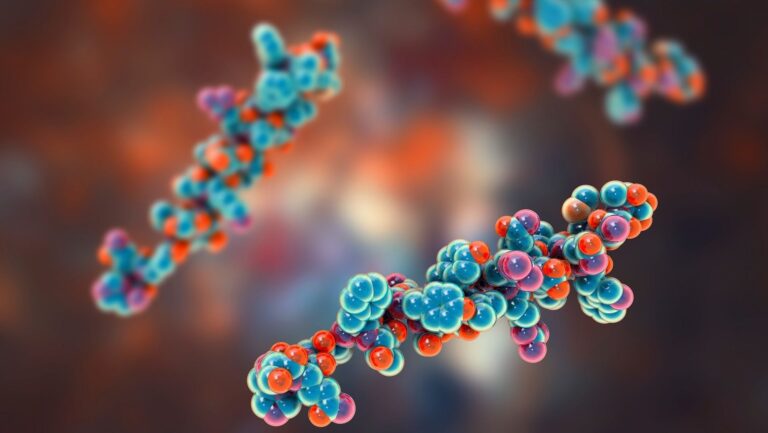
Inconsistent bit size circulation and morphology can influence bioavailability and security. BOC Sciences is furnished with instruments like DLS, TEM, SEM, and so on, to completely assess nanoparticle dimension, circulation, and microstructure. For us, pureness isn't simply a percent-- it's a pledge of honesty, consistency, and respect for the scientific research being done.
Make-up & Content
At Maxed Out Substances, every product we provide comes with a clear testing document and transparent paperwork. Our mission is to support scientists with high-purity, verified compounds that meet the demands of modern-day scientific study-- nothing more, nothing less. Independent, third-party testing plays an essential function in ensuring objectivity and accuracy. By using exterior labs for confirmation, providers get rid of predisposition and uphold scientific reliability. It's an added action that offers scientists self-confidence that each peptide fulfills consistent, verifiable requirements. This grade fits the majority of artificial insemination research study applications-- receptor binding assays, enzyme task research studies, and cell culture experiments.
For groups that require much deeper structural testimonial, the work can also be aligned with peptide sequence analysis and wider characterization support. Amino acid analysis or various other measurable techniques can sustain outright material. Chiral approaches can deal with enantiomeric purity where stereochemistry is a concern. Residual-solvent or water-content tests can matter in manufacturing or stability contexts.Recap: What A Research-grade Coa Needs To Consist Of
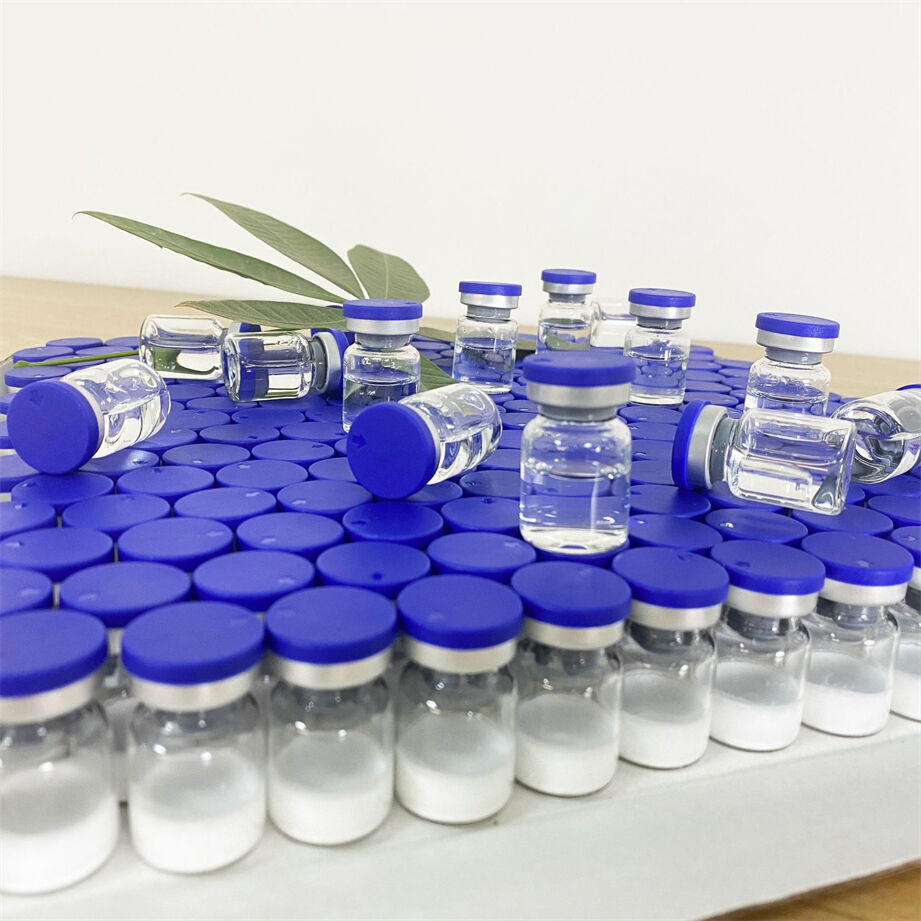
By demanding peptides that feature verification of pureness and identification, researchers can significantly reduce the risk of speculative artifacts. On the other hand, making use of peptides that have passed third-party laboratory recognition assists ensure that the observed experimental impacts are truly as a result of the intended peptide and not as a result of pollutants or mistakes. When you see peptides promoted as "research-grade," it refers to their intended usage and the level of manufacturing oversight. Research-grade peptides are made for laboratory research usage only-- they are not created under pharmaceutical GMP requirements and are not implied for usage as rehabs or in people. These peptides come with a standard quality control package, typically consisting of HPLC purity evaluation and MS verification of identification, ensuring they meet scientific criteria for pureness and structure.
Store Coa-verified Study Peptides
- For a much deeper identity-focused explanation, see Mass Spectrometry Peptide Confirmation.
- A deletion peptide missing a solitary deposit may still bind to the very same receptor, but with different affinity or selectivity.
- Peptides in microspheres and nanoparticles might ensnare with matrices, making it tough to separate complimentary and encapsulated types.
- Lab recognition of peptides is not just a scientific ideal practice-- it's often a regulative demand when peptides are made use of in therapeutic development or medical research.
- Ultimately, obtaining the pureness degree right implies much more dependable scientific research-- and that's the ultimate goal for any scientist.
As the percentage of organic solvent gradually boosts during the run, molecules are released from the column in order of their hydrophobicity-- the a lot more hydrophobic a peptide, the longer it takes to elute (clean off). Given that contaminations normally differ from the target peptide by a minimum of one amino acid, they have slightly different hydrophobicities and show up as different tops on the chromatogram. The key point is not to confuse purity (HPLC percent of the primary Continue reading peptide vs impurities) with total web content. For experimental preparation (like calculating molar focus), both pureness and web content are useful numbers, however purity is what mirrors the chemical homogeneity of the peptide sample.
A certified laboratory follows stringent guidelines for examination accuracy and technique recognition. You can commonly examine if a laboratory is recognized via its site or documentation; accreditation guarantees the lab's procedures and results are held to worldwide requirements. With high degrees of experience in carbohydrate chemistry and our extensive peptide analysis platform, Creative Peptides can provide top quality peptide pureness decision services. According to rigorous evaluation quality assurance and biosynthetic quality assurance criteria, each peptide is strictly kept an eye on during the analysis cycle. Together, these logical methods supply the evidence base for ending that a peptide set appropriates for research study usage. An additional related term you might experience is net peptide web content, which is different from purity. Net peptide web content refers to how much real peptide (by weight) is in the vial relative to non-peptide components like water, counter-ions (e.g., TFA), or barrier salts.